Most home bakers find GST confusing for a simple reason: the answer genuinely depends on how you sell, not just how much you sell. Here is the practical version.
The turnover threshold
For a business supplying goods, GST registration becomes compulsory once annual turnover crosses ₹20 lakh. In some special category states the threshold is ₹10 lakh.
Below that, registration is generally not required. A home baker turning over ₹6 lakh a year selling directly to customers is usually under no obligation to register.
The exception that catches people out
If you sell through a delivery platform or marketplace, you generally need GST registration before they will onboard you, regardless of turnover. This is the single most common surprise. A baker doing ₹4 lakh a year who wants to list on a food delivery app will be asked for a GSTIN on day one.
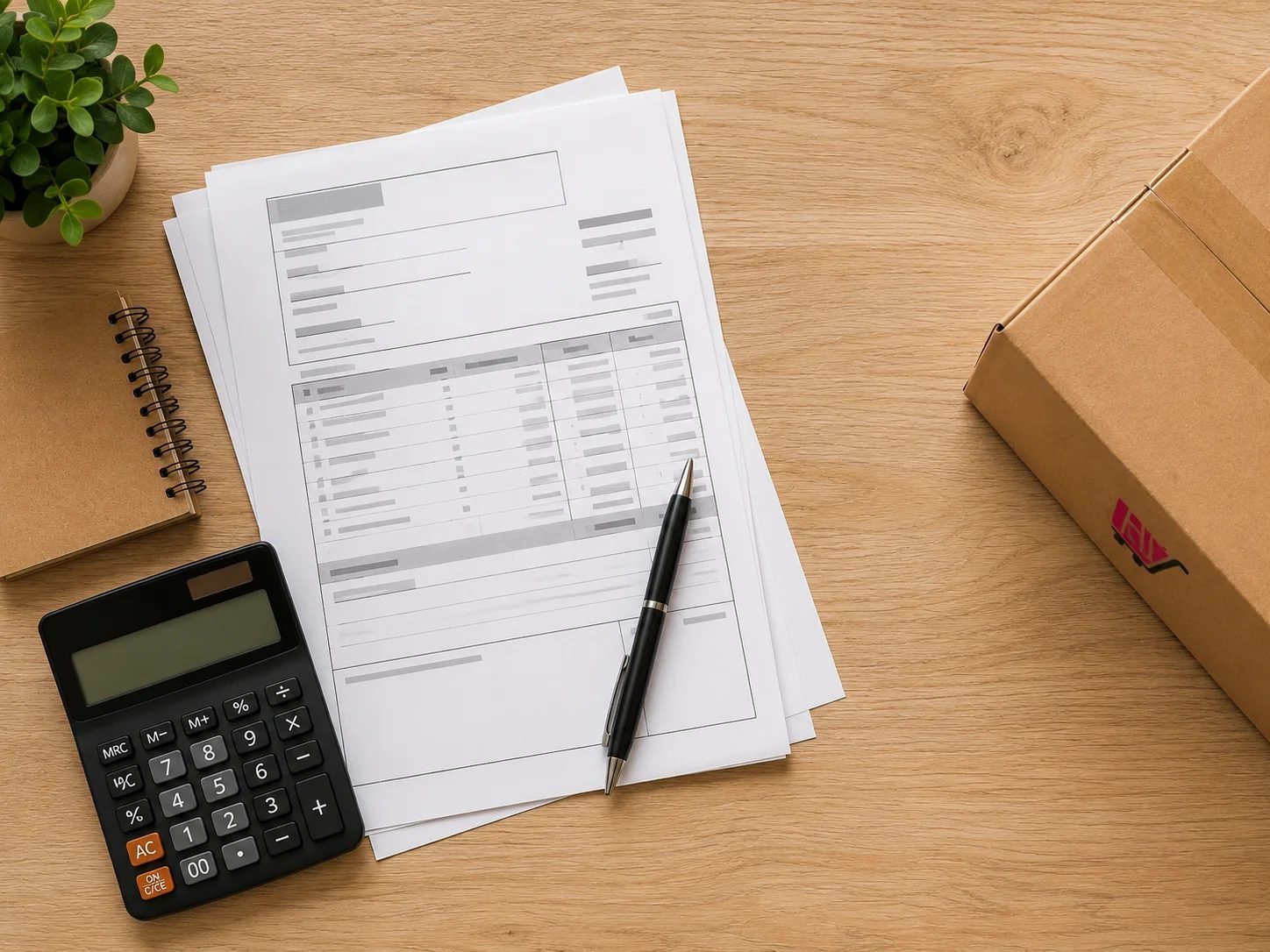
The same logic often applies to corporate and B2B orders. Businesses buying from you frequently want a GST invoice so they can claim input tax credit, and some will not order without one.
What GST rates apply to what you bake
The rates changed recently and moved in bakers’ favour.
| Item | GST |
|---|---|
| Bread | Nil, including branded and packaged |
| Roti, chapati, paratha, parotta, pizza bread | Nil |
| Cakes, pastries, biscuits and other bakers’ wares | 5%, reduced from 18% |
| Certain packaged and labelled goods | May attract 12% |
That reduction on cakes and pastries is significant. If you were pricing on the old 18% assumption, your numbers are out of date.
Why you might register before you have to
Voluntary registration has one real benefit: input tax credit.
When you buy flour, chocolate, cream and packaging from a registered supplier, GST is charged on that purchase. If you are registered, you can offset that GST against what you collect on your sales. If you are not registered, that GST is simply a cost you absorb.
For a baker spending ₹50,000 a month on supplies, the difference is not trivial. It is worth a conversation with a CA once your ingredient spend becomes meaningful.
The trade-off is compliance: monthly or quarterly returns, proper invoicing, and record-keeping. That is real work, and below the threshold it may not be worth it. This is exactly the calculation a CA can do for you in half an hour.
Input tax credit, in plain terms
Input tax credit is the part of GST that people register voluntarily for, and it is the part explained worst.
When you buy flour, chocolate, cream and packaging from a registered supplier, the price you pay includes GST. When you sell a cake as a registered business, you collect GST from your customer. Input tax credit lets you subtract the first from the second, so you only hand over the difference.
The arithmetic, kept deliberately rate-agnostic because rates differ by item. Suppose you spend ₹10 lakh a year on ingredients and packaging, and the GST sitting inside that spend averages 8 percent. That is ₹80,000.
Registered, that ₹80,000 is a credit against what you collect. Unregistered, it is simply part of your cost of goods, absorbed into your margin whether you noticed it or not. On a business of that size it is the difference between a good year and an ordinary one.
Two conditions matter and both are practical rather than technical. Your supplier must actually be registered and must actually issue a proper tax invoice, and the invoice has to reach their filing. A handwritten receipt gets you nothing. This is the whole reason to care who you buy from, and it is worth checking before you build a year of purchases on a supplier who cannot invoice properly.
The composition scheme
There is a middle option that many small bakers do not know exists. The composition scheme lets a small business pay a flat percentage of turnover instead of running the full GST mechanism, with far simpler returns.
The trade is real and it cuts both ways. You get much less paperwork. You give up input tax credit entirely, and you cannot charge GST on your invoices, which means a business customer buying from you cannot claim credit either. For a baker selling to individuals that second point costs nothing. For one selling to cafes, offices and other businesses, it can quietly make you the more expensive supplier.
Eligibility limits and the applicable rate change, so this is a conversation to have with a CA with your actual turnover in front of you rather than a decision to make from an article.
What changes on the day you register
Registration is not a one time form. It starts a set of ongoing obligations, and it is worth knowing what you are taking on.
- Every invoice you issue must carry your GSTIN and the correct classification for what you sold.
- Returns become a recurring commitment, monthly or quarterly depending on your scheme and turnover.
- You need a bookkeeping habit rather than a shoebox. Purchase invoices have to be kept and matched.
- Late filing carries penalties even in a month where you sold nothing, so a quiet month is not a month off.
- Deregistering is possible but not instant, so it is not a decision to reverse casually.
None of that is difficult at the scale most home bakers operate at. It is about an hour a month once the habit exists. It is worth being honest that it is an hour a month forever, rather than discovering it in the third quarter.
Common questions
Do home bakers in India need GST registration?
Not automatically. If you sell directly to customers and your annual turnover is below the threshold, registration is generally not required. If you sell through a delivery platform or marketplace, you will generally need to register regardless of turnover, because the platform will ask for a GSTIN before onboarding you.
What is the GST threshold for a small business selling goods?
For a business supplying goods, the compulsory registration threshold is ₹20 lakh of annual turnover, and ₹10 lakh in certain special category states. Turnover means total sales, not profit, which is the single most common misreading of this rule.
Can a home baker claim input tax credit?
Only if registered under the regular scheme. Unregistered bakers, and those under the composition scheme, cannot claim it. The GST paid on ingredients and packaging simply stays in the cost.
Does turnover mean profit?
No. Turnover is everything you invoiced, before any costs are taken out. A baker with ₹22 lakh of sales and ₹4 lakh of profit is over a ₹20 lakh threshold, not under it.
What if I am below the threshold but a customer wants a GST invoice?
You cannot issue a tax invoice with GST on it unless you are registered. You can issue a normal bill of supply. If a meaningful share of your orders come from businesses that need to claim credit, that is one of the stronger arguments for registering before you are obliged to.
What to do next
- Work out your actual annual turnover. Not what you hope to do, what you did.
- Decide how you want to sell. Direct only, or through platforms and to businesses?
- Add up your monthly ingredient spend. That number tells you what input tax credit is worth to you.
- Talk to a CA with those three numbers in hand. It is a much shorter conversation than going in cold.
One practical note: whether or not you register, buy from suppliers who issue proper GST invoices. If you register later, you want a clean paper trail. If you never register, a real invoice is still the difference between a business expense you can account for and a receipt in a drawer.
Ivykart supplies these ingredients wholesale to bakeries and home bakers across India, with a GST invoice on every order. Sign up in the app with your phone number and order in minutes. Questions: 8801348400 or care@ivykart.com.
This article is general information, not tax or legal advice. GST rules change and depend on your circumstances. Confirm your position with a qualified chartered accountant before acting on it.