Most articles on this either quote a number so low it is useless or so high it puts people off. Here is a realistic breakdown at three levels, based on what a working kitchen actually needs.
The starting point: ₹25,000 to ₹40,000
This is enough to take orders from friends, neighbours and word of mouth.
| Item | Cost |
|---|---|
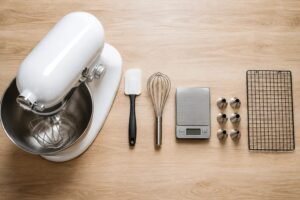
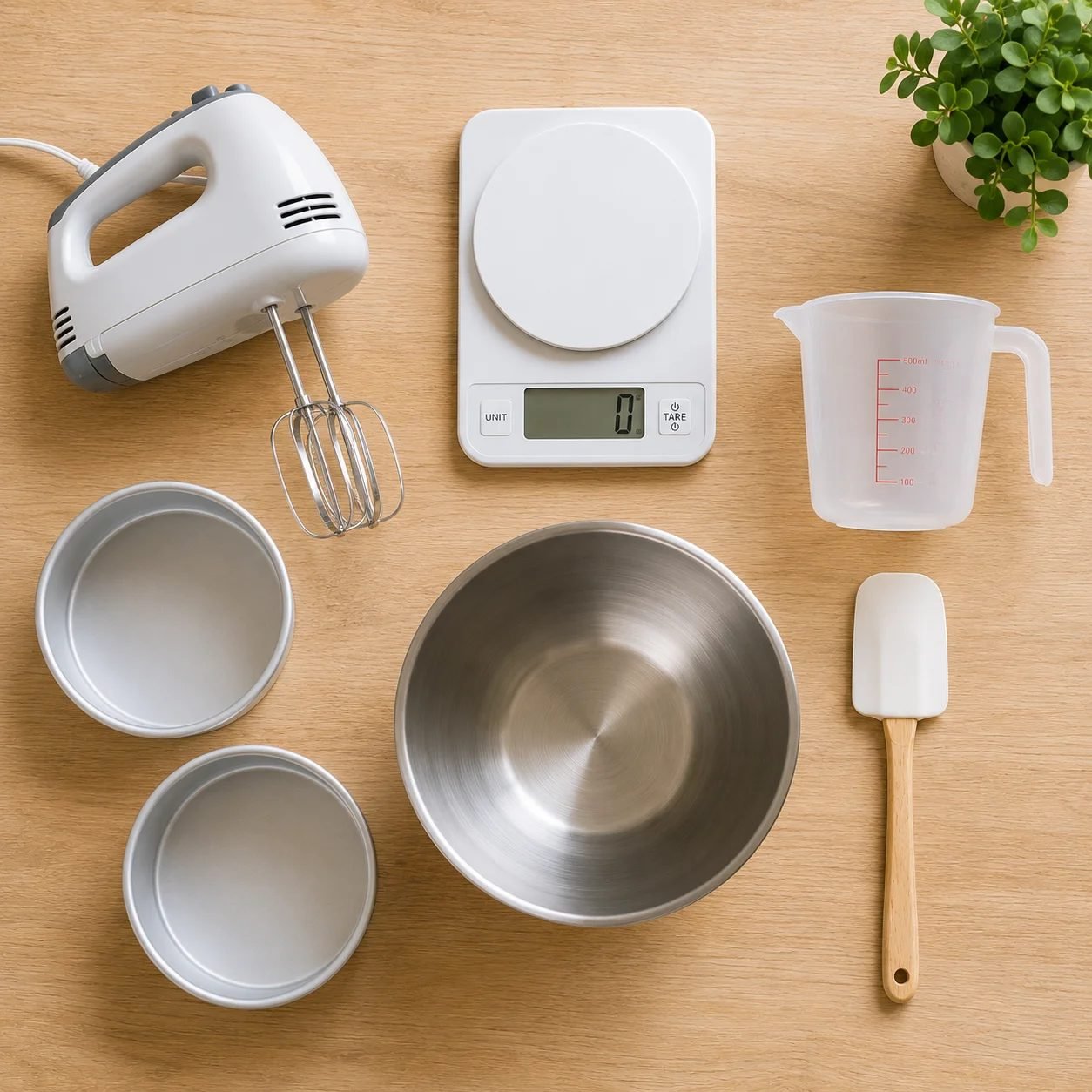
| Hand mixer or basic stand mixer | ₹3,000 to ₹12,000 |
| OTG oven, 40 to 60 litre | ₹8,000 to ₹15,000 |
| Weighing scale, bowls, spatulas, piping set | ₹3,000 to ₹5,000 |
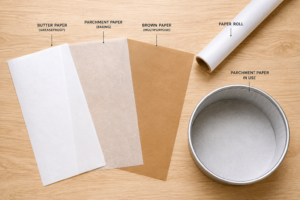
| Tins, boards, turntable | ₹2,500 to ₹4,000 |
| First ingredient order | ₹5,000 to ₹8,000 |
| Packaging, first 50 boxes | ₹1,500 to ₹3,000 |
The mistake at this level is buying a cheap oven. An OTG with poor heat distribution will cost you in wasted ingredients and failed orders long before it costs you in repairs.
Getting serious: ₹75,000 to ₹1.2 lakh
You are taking regular orders and turning some away. Add:
- A convection oven or larger OTG, ₹20,000 to ₹40,000. Bakes more at once, which is what actually limits your revenue.
- A planetary stand mixer, ₹15,000 to ₹30,000. Handles heavier doughs and larger batches.
- A dedicated fridge, ₹15,000 to ₹25,000. Sharing a family fridge stops working quickly.
- Buying ingredients wholesale, ₹15,000 to ₹25,000 per order. This is where your margin improves most.
- FSSAI basic registration, ₹100 per year plus filing help if you need it.
A small commercial setup: ₹2.5 lakh upwards
A deck oven, commercial mixer, display chiller, proper worktops and a separate space. At this point you are running a bakery, not a home business, and the constraints change entirely: rent, staff, licences and inspections.
The costs people forget
Packaging. Boxes, boards, inserts and labels add ₹25 to ₹80 per order depending on size. On a ₹600 cake that is meaningful, and it is almost always left out of pricing.
Wastage. Budget 5 to 10 percent of your ingredient spend for trials, failures and things that do not sell. Everyone has it. Few price for it.
Delivery. Whether you drive it yourself or pay someone, it costs. Fuel and time are real.
Electricity. An oven running several hours a day is noticeable on the bill.
What actually changes your economics
Two things, in order.
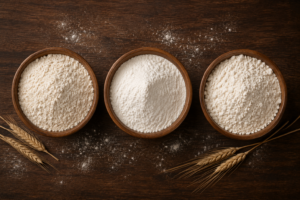
Buying wholesale rather than retail. Supermarket packs are priced for households. The same flour, chocolate and cream bought in trade quantities is substantially cheaper per kilogram, and the gap widens as you scale. This is usually a larger saving than any equipment upgrade.
Pricing properly. Most home bakers underprice, usually because they count ingredients and forget labour, packaging, wastage and electricity. Fixing that is free and immediate.
A worked first year
Startup cost is the question everyone asks. Whether the thing pays is the question that matters, and it is answerable with a page of arithmetic.
Take a home baker running eight orders a week at an average order value of ₹1,600. That is about 35 orders and ₹56,000 a month.
| Monthly | Amount |
|---|---|
| Revenue, 35 orders at ₹1,600 | ₹56,000 |
| Ingredients at about 30% of revenue | ₹16,800 |
| Packaging at ₹48 an order | ₹1,680 |
| Wastage and trials at 8% of ingredients | ₹1,340 |
| Electricity, gas, consumables | ₹2,500 |
| Marketing and platform fees | ₹2,500 |
| Left before your own labour | ₹31,180 |
Now the part most people skip. Thirty five orders at three and a half hours each is about 122 hours a month, which works out at roughly ₹255 an hour for your time.
That is a real answer, and it is a useful one in both directions. It says a home bakery at this volume is a genuine income rather than a hobby. It also says the business does not become meaningfully better by doing more orders at the same price, because your hours are the constraint. What changes the picture is raising the average order value, cutting ingredient cost through wholesale buying, or reducing the hours per order. Our guide to pricing cakes so you actually make money works through the first, and this is where the second starts paying.
Run the same table with your own numbers before you commit to anything. If the hourly figure that falls out is below what you could earn otherwise, the problem is almost always the price, not the volume.
Break even, honestly
Take a starting setup of ₹35,000 and the table above. Roughly ₹31,000 a month before labour means the equipment itself is paid back inside the first two months of steady orders.
That is the number people find surprising, and it is why the equipment is rarely the real barrier to starting. The real barriers are demand and consistency: finding the first thirty customers, and being able to produce the same cake twice. Neither is solved by spending more at the beginning, which is the most common early mistake. Our staged bakery equipment list covers what genuinely has to be bought first and what can wait until orders repeat.
Registration and licensing
Selling food, even from a home kitchen, sits inside a food safety framework, and there are separate tax and food safety questions to answer.
On the tax side, GST depends on your turnover and on whether you sell through a platform, which is covered in our note on GST for home bakers. On the food safety side, India operates a tiered system where the requirement varies with turnover and scale, and the tier you fall into changes both the cost and the paperwork.
Requirements differ by state and are revised periodically, so treat this as a prompt to check rather than an answer. Budget for it, confirm the current position with the relevant authority or a consultant, and do it before you take orders rather than after.
Common questions
How much does it cost to start a home baking business in India?
A workable starting setup is in the ₹25,000 to ₹40,000 range, covering an OTG, a hand mixer, scales, tins and basic finishing tools. A more serious setup with a stand mixer, a better oven and a dedicated fridge sits between ₹75,000 and ₹1.2 lakh. A small commercial kitchen starts around ₹2.5 lakh. You can begin lower than all of these if you already own an oven.
Is a home bakery profitable?
At around 35 orders a month with an average order value of ₹1,600, a home bakery typically leaves ₹30,000 or so a month before the baker’s own labour, which works out near ₹255 an hour. Profitability depends far more on pricing and on ingredient buying than on how much equipment you started with.
What do I actually need on day one?
Scales, an oven thermometer, an OTG, a hand mixer, two tins, steel bowls, a palette knife, a basic turntable, piping bags with a few nozzles, and a cooling rack. Everything else can wait until orders repeat.
How many orders a month do I need to break even?
On a ₹35,000 setup, roughly two months of steady orders covers the equipment. The recurring costs are small enough that the monthly break even is reached in the first week of any normal month, which is why the honest constraint is demand rather than cost.
Can I start without buying an oven?
Yes, and many bakers do, by taking early orders on the oven they already own and only upgrading once the orders are consistent. It is a better sequence than buying capacity and then hunting for customers to fill it.
A sensible order of spending
- A reliable oven. Everything depends on it.
- A decent mixer. Saves time on every single order.
- Wholesale ingredient supply. Improves margin on every order.
- A dedicated fridge. Removes a daily friction.
- Everything else.
Ivykart supplies these ingredients wholesale to bakeries and home bakers across India, with a GST invoice on every order. Sign up in the app with your phone number and order in minutes. Questions: 8801348400 or care@ivykart.com.
Equipment prices quoted here are indicative market bands and change frequently, so check current rates before budgeting. The notes on registration and licensing are general information, not legal or tax advice, and requirements vary by state and by scale. Confirm your position with the relevant authority or a qualified professional before acting on it.